
My septic tank is leaking above ground: what should I do?
What causes a septic tank to leak above ground, and the steps to take to stop it.
Key takeaways
- Get the tank emptied first, then have it inspected if the leak comes back.
- A septic tank separates waste into three layers and lets only the wastewater out to a drainage field.
- Boggy patches or murky pooled water above the tank or soakaway point to a tank or soakaway problem.
- A missed empty or extra guests can overfill the tank, and emptying often fixes it.
- An inspection of the empty tank can reveal cracks in the walls or base, root damage or collapsed drainage field pipes.
- A soakaway full of water with no damage has likely failed with age and needs replacing.
- Replacing a failed soakaway depends on how much space you have and your ground conditions.
If your property has a septic tank or other off-mains drainage system, you’ll be hoping for years of trouble free service from it. After all, it’s tricky to know what’s really going on underground, and you might be blissfully unaware of any trouble brewing….until it surfaces above ground! If you’ve found us because your septic tank is leaking above ground, then take a few deep breaths, put the kettle on and we’ll talk you through what might be causing the problems, and what you can do about it.
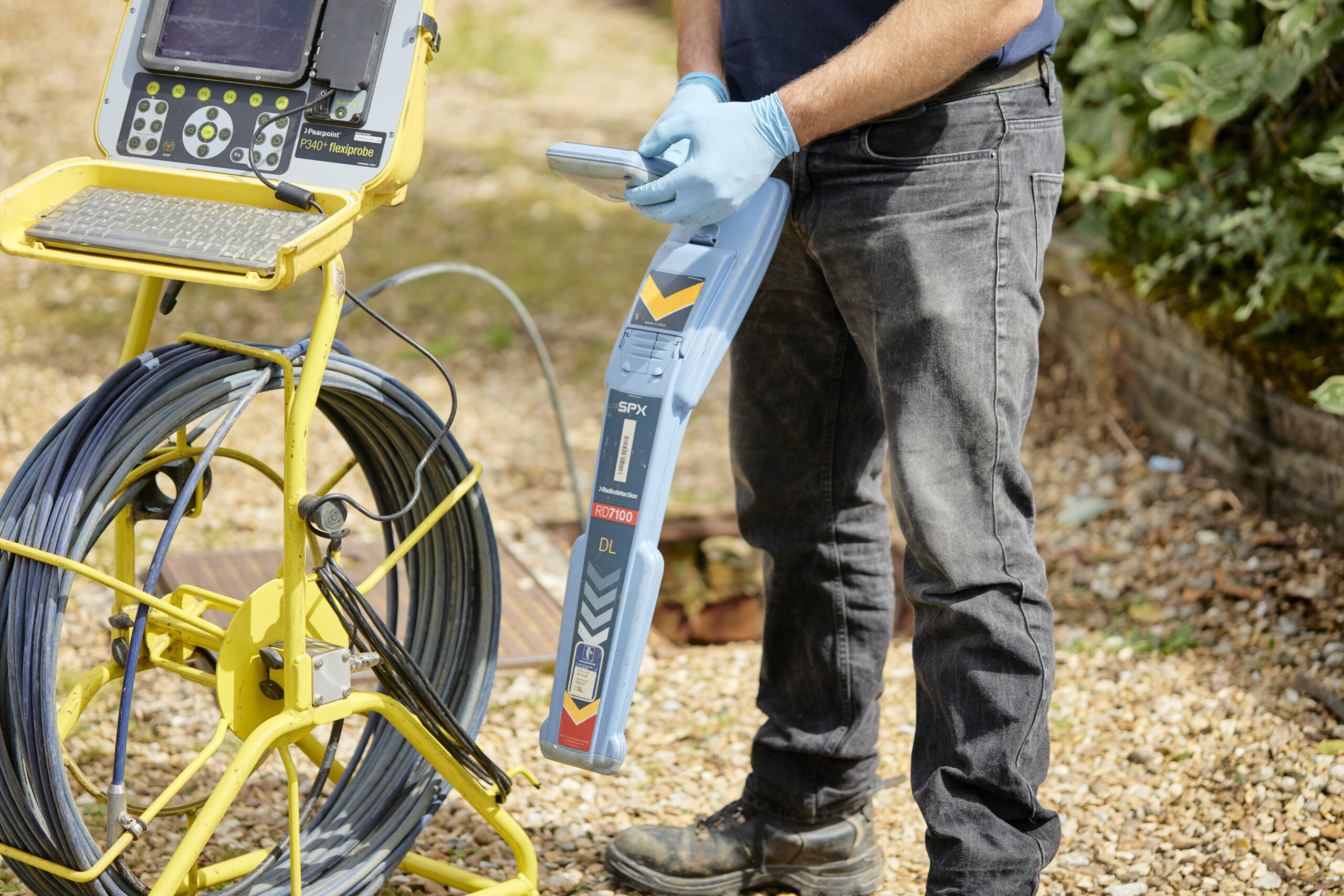
When a septic tank leaks above ground, it usually means the system is overfull or the soakaway has stopped taking the flow. Getting the tank emptied first clears the immediate mess and lets an engineer see what caused it.
Why is my septic tank leaking above ground?
Ok, so let’s first look at the basics of how a septic tank works. Waste from your property’s toilets, sinks, showers/baths and kitchen appliances all flow through a pipe to your septic tank. Septic tanks come in all different shapes and sizes, and there are both traditional styles and more modern ones, so your septic tank could be made of bricks, or it could be something such as glass reinforced plastic. Either way, all septic tanks perform the same basic function, which is to separate the waste from your property into three layers, and to ensure that only separated waste water leaves the septic tank. The rest stays inside to be removed during a routine empty.
The waste water usually leaves the tank and enters a drainage field, typically a network of perforated or slotted pipes. The water passes through into the surrounding sub soils, and in doing so it is treated such that it doesn’t cause a pollution.
So, if you’ve noticed boggy patches above your septic tank or soakaway, or murky looking water pooling in your garden, it could be a sign of soakaway problems or septic tank problems. Follow this simple step by step guide to try to work out what is going on:
Get the septic tank emptied
Have you missed a routine empty? Most tanks need emptying annually. Or has the tank been used a lot more than usual recently? Having friends or family staying can increase the volume of waste entering the tank. Either way, your first port of call when you notice any possible problems with your drainage system is to get it emptied and see if that sorts things out. Often it will, phew!
Ask the tank emptying company if they can spot anything
Typically these chaps (or chapesses) are there simply to empty the tank, but if there is something obvious going on, they may be able to spot it.
Get it inspected
If emptying the tank doesn’t resolve the problem, you’ll need a septic tank inspection. Unfortunately, if your tank has filled back up again, this will mean needing to get it emptied again. Why is this important? Because there could be damage to the walls or base of the tank itself, and it will only be visible once the tank is empty. Also, there could be a problem with the drainage field, which is causing wastewater to return back to the tank, causing it to fill up quickly. A septic tank inspection should also look at the pipework in the drainage field. There could be tree root damage, or perhaps the pipes have collapsed. Either of these things could result in water pouring back into the septic tank, and overflowing above ground.
Replace your soakaway or drainage field
If there are no signs of any damage to the septic tank or drainage field, it might be that it has failed due to age and needs replacing. There is much debate around how long drainage fields or soakaway systems should last, but the truth is that there is no one hard and fast rule. This is because there are a huge number of variables affecting this, including the ground conditions, the level of usage of the system, and how often it is emptied. We have seen soakaway systems functioning as they should for decades. If there is no damage to the soakaway pipework, but a CCTV camera survey shows it to be full of water and/or water is flowing back into the septic tank when it’s emptied, this can be a sign that it’s simply packed up and needs to be replaced.
Did you know?
A thorough survey will tell you exactly what’s going on, and an off-mains expert (such as ourselves of course!) will be able to talk you through your options. If damage has been found, then it’s possible that our team could get the costs of replacing or repairing the system covered by your buildings insurance. You see, we specialise in off-mains drainage and insurance claims, and yes, you are right to assume that this makes us thoroughly interesting people!
Get in touch with our friendly team to chat about how we can help.
If there is no damage, but the drainage field or soakaway system has stopped working, you may be able to replace it, although this will be subject to how much space you have available and the ground conditions.
The team at UKDP are on hand for advice and guidance, so give us a call and chat to us about any septic tank troubles you are having on 0800 028 9903. We’ll be happy to help!
Frequently Asked Questions
Is a leaking septic tank dangerous?
Treat it as a health risk. Untreated wastewater on the surface can carry harmful bacteria, so keep children and pets away and get it dealt with promptly. It's also a pollution issue you're responsible for.
Can a leaking septic tank be repaired?
Sometimes, if the leak is a cracked cover or neck. More often, a tank leaking above ground means the soakaway has failed or the tank is damaged, and that usually means replacing rather than patching. A survey confirms which.
Will my insurance cover a leaking septic tank?
It depends on the cause. Sudden, accidental damage may be covered by your buildings policy; gradual wear or a lack of emptying usually isn't. We can inspect it, find the cause and help with the claim if there's one.
How much does it cost to fix a septic tank leaking above ground?
There's no flat price, because it depends whether it's the tank, the soakaway or both. A survey (£399 inc VAT) finds the cause first; if the drainage field has failed, a replacement sized by a percolation test (from £950) is the usual fix.
What happens if I ignore a leaking septic tank?
Left alone, it keeps polluting the ground and the problem spreads to the soakaway, making the eventual repair bigger. It won't fix itself, so it's worth investigating early.
About the author
Sam Warren
UKDP co-founder
Sam Warren co-founded UKDP with James Warren in 2009 as an off-mains drainage specialist.
Need help with your septic tank or drainage?
Reach out to us on 0800 028 9903. Our team are here to talk Monday to Friday 9am to 5pm.
Related articles
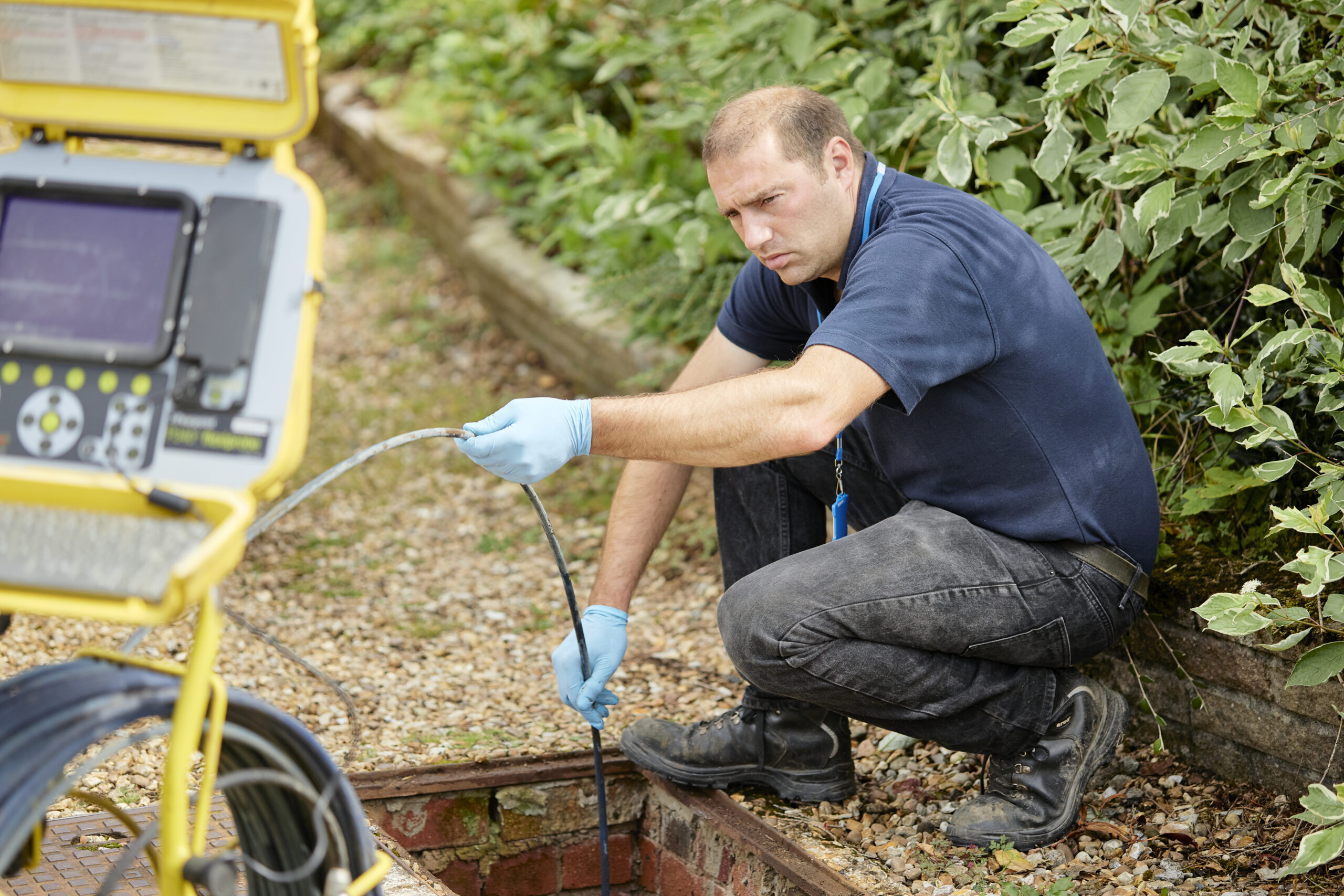
Septic Tank Leaking Above Ground
Learn why septic tanks leak, the signs to watch for and the steps needed to put the problem right.
Read article
Septic Tank Backing Up Into House
Find out why a septic tank backs up into the house, the warning signs to look for and what to do about it.
Read article
Is Septic Tank Damage Covered by Your Home Insurance Policy?
Understand what home insurance policies typically cover for septic tank damage, what they exclude and how to claim.
Read article